


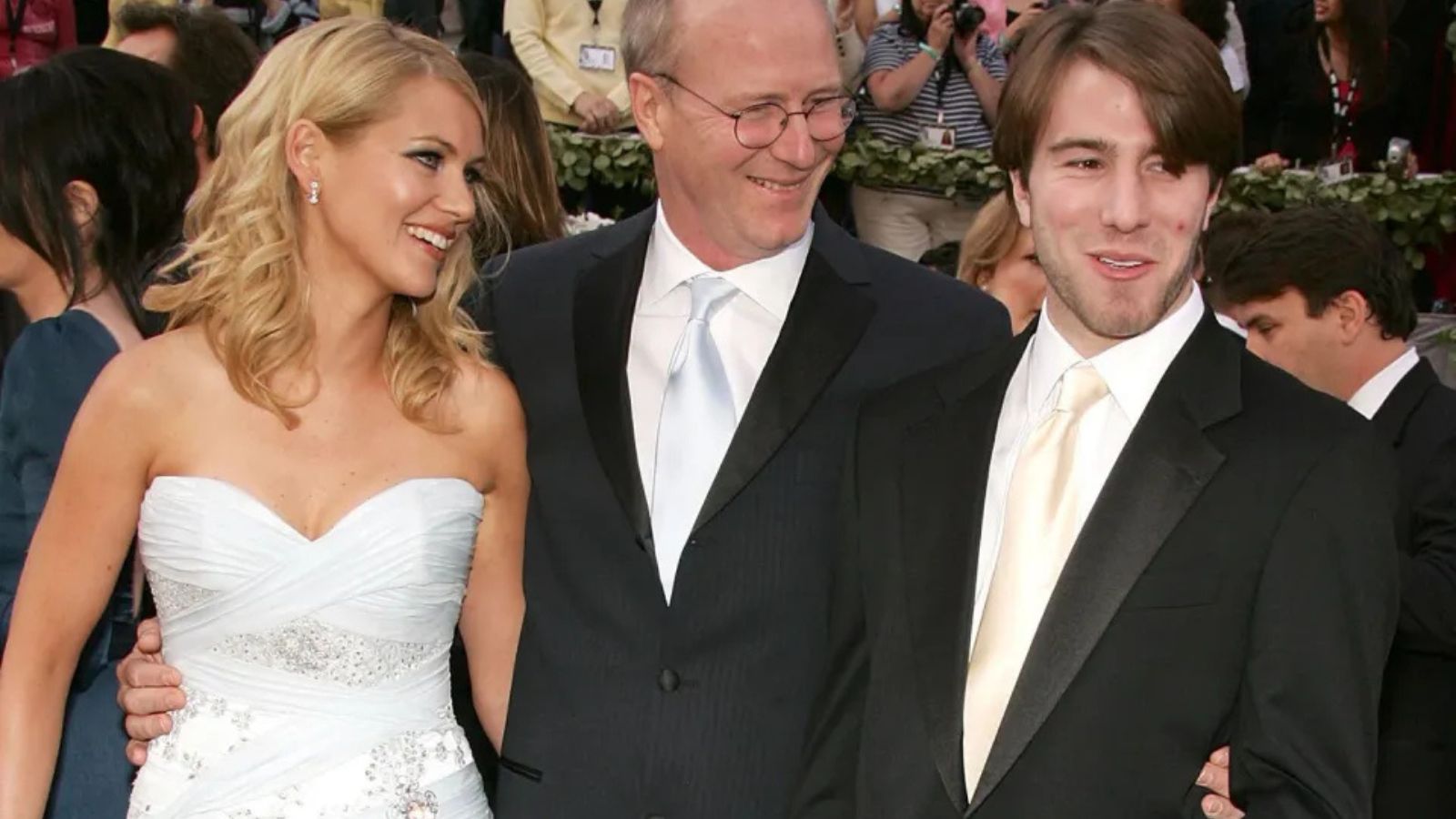
Jeanne Bonnaire-Hurt represents a rare fusion of French artistic sensibility and American cinematic tradition. Born on February 1, 1994, in Washington, D.C., she carries the DNA of two film powerhouses: her mother, Sandrine Bonnaire, a celebrated French actress and filmmaker, and her late father, William Hurt, an Academy Award-winning American actor.
Sandrine Bonnaire earned her place in cinema history through powerful performances in films like Vagabond and Monsieur Hire. Her César Awards for Most Promising Actress and Best Actress established her as a leading figure in French cinema, known for raw emotional depth and authentic character portrayals. William Hurt brought intellectual intensity to American cinema, winning an Oscar for Kiss of the Spider Woman and delivering memorable performances in Broadcast News and Children of a Lesser God. The two met while filming The Plague in 1991, beginning a relationship that would profoundly shape their daughter’s worldview.
This bicultural heritage gave Jeanne unique advantages. She absorbed European art cinema’s emphasis on emotional authenticity from her mother, while her father’s analytical approach to character development introduced her to Hollywood’s storytelling techniques. Growing up between Paris and Washington, D.C., Jeanne developed fluency not just in language but in two distinct cinematic traditions.
Early Life and Upbringing
Unlike many celebrity children thrust into the spotlight, Jeanne experienced a relatively private childhood. Her parents, though separated shortly after her birth, remained committed to providing her with educational opportunities and cultural exposure. This meant splitting time between France and the United States, attending school in both countries, and experiencing life on film sets without being pressured to perform.
Weekend art house screenings in Paris alternated with behind-the-scenes visits to American film productions. Family dinners featured conversations about script development, directorial vision, and the business of filmmaking. This environment nurtured Jeanne’s appreciation for cinema as both art form and craft, preparing her for the multifaceted career she would eventually pursue.
Jeanne also has a half-sister, Adele Laurant, from her mother’s marriage to screenwriter Guillaume Laurant, along with three half-brothers from her father’s other relationships. This extended family network, spanning continents and cultures, reinforced the importance of maintaining connections across different worlds—a theme that would define her professional approach.
Career and Achievements
Venturing into the Film Industry
Rather than leveraging her famous surname for acting roles, Jeanne chose a different path. After completing her education in audiovisual communication, she entered the industry through production work, learning the mechanics of filmmaking from the ground up. This decision reflected maturity and strategic thinking: understanding how films are made would give her creative control and independence.
In 2019, Jeanne took a significant step by co-founding À nos amours—named after the film that launched her mother’s career—with Sandrine Bonnaire. This production company became a platform for meaningful storytelling, particularly documentaries addressing social issues and amplifying underrepresented voices. Through À nos amours, Jeanne demonstrated commitment to socially conscious cinema, prioritizing substance over commercial appeal.
Notable Works and Collaborations
Jeanne’s filmography showcases versatility across multiple roles. In 2021, she served as associate producer for Coral, gaining experience coordinating complex productions. Her directorial debut came with La star in 2023, a project where she also served as producer, demonstrating command of both creative vision and practical execution.
As an actress, Jeanne appeared in Comme une louve (2023), playing a supporting role that highlighted emotional nuance rather than dramatic flourish—characteristic of European performance styles. Her upcoming project Prométhée-moi (2024) features her in a more prominent acting role, tackling themes of loss and renewal with the quiet strength that has become her signature.
Industry colleagues note Jeanne’s financial acumen and ability to bring projects in on budget while maintaining creative integrity—a balance many young producers struggle to achieve. Her student films earned selections at prestigious young filmmaker showcases, establishing her reputation before she turned thirty.
Exploring Directing and Producing
Jeanne’s approach to filmmaking reflects her bicultural background. She moves fluidly between production, direction, and performance, refusing to specialize too quickly. This mirrors the European auteur tradition where filmmakers often wear multiple hats, while also incorporating American pragmatism about the business realities of cinema.
Her work through À nos amours particularly emphasizes documentary filmmaking, a genre often overlooked by mainstream audiences but crucial for social commentary and historical documentation. By championing these projects, Jeanne positions herself as an advocate for authentic storytelling that challenges conventional narratives.
Personal Insights and Legacy
Jeanne’s Relationship with Her Parents
Despite her parents’ separation, Jeanne maintained meaningful relationships with both. Her mother’s influence is evident in her artistic choices and commitment to emotionally resonant storytelling. The fact that she co-founded a production company with Sandrine speaks to their close working relationship and shared creative vision.
With her father, the connection was equally significant though perhaps more complex given geographical distance. Jeanne’s private nature means details of their relationship remain largely unknown, but industry sources describe meaningful exchanges about craft and dedication to artistic integrity.
Impact of William Hurt’s Legacy on Jeanne
William Hurt’s death in March 2022 marked a pivotal moment in Jeanne’s life. She shared a simple tribute on social media—a photo of a clear sky above an empty field, thanking supporters for their warmth during a difficult time. The restraint and dignity of this response reflected both her private nature and the depth of her loss.
Her father’s legacy of intellectual rigor and fearless character choices continues to influence Jeanne’s work. She carries forward his emphasis on authenticity, approaching each project with the same commitment to emotional truth that characterized his performances. Rather than feeling burdened by his reputation, she treats it as inspiration to maintain high standards in her own work.
Conclusion
Jeanne Bonnaire-Hurt exemplifies how legacy can inspire without constraining. She honors her parents’ contributions to cinema while establishing her own distinct voice—one informed by dual cultural perspectives, committed to socially conscious storytelling, and grounded in practical understanding of filmmaking’s technical and business dimensions.
Her journey reminds us that not every child of famous parents seeks the spotlight. Some prefer to work behind the camera, shaping narratives through production and direction rather than performance. In choosing this path, Jeanne demonstrates that influence in cinema comes from multiple directions, and lasting impact often requires patience, dedication, and willingness to learn every aspect of the craft.
As she continues developing her career, Jeanne represents the future of international cinema—artists who naturally speak to multiple cultural traditions, who prioritize meaningful stories over commercial formulas, and who understand that true creative freedom comes from mastering not just the art but also the business of filmmaking. Her path in the arts is just beginning, but the foundation she’s building suggests a filmmaker whose contributions will resonate for decades to come.
