


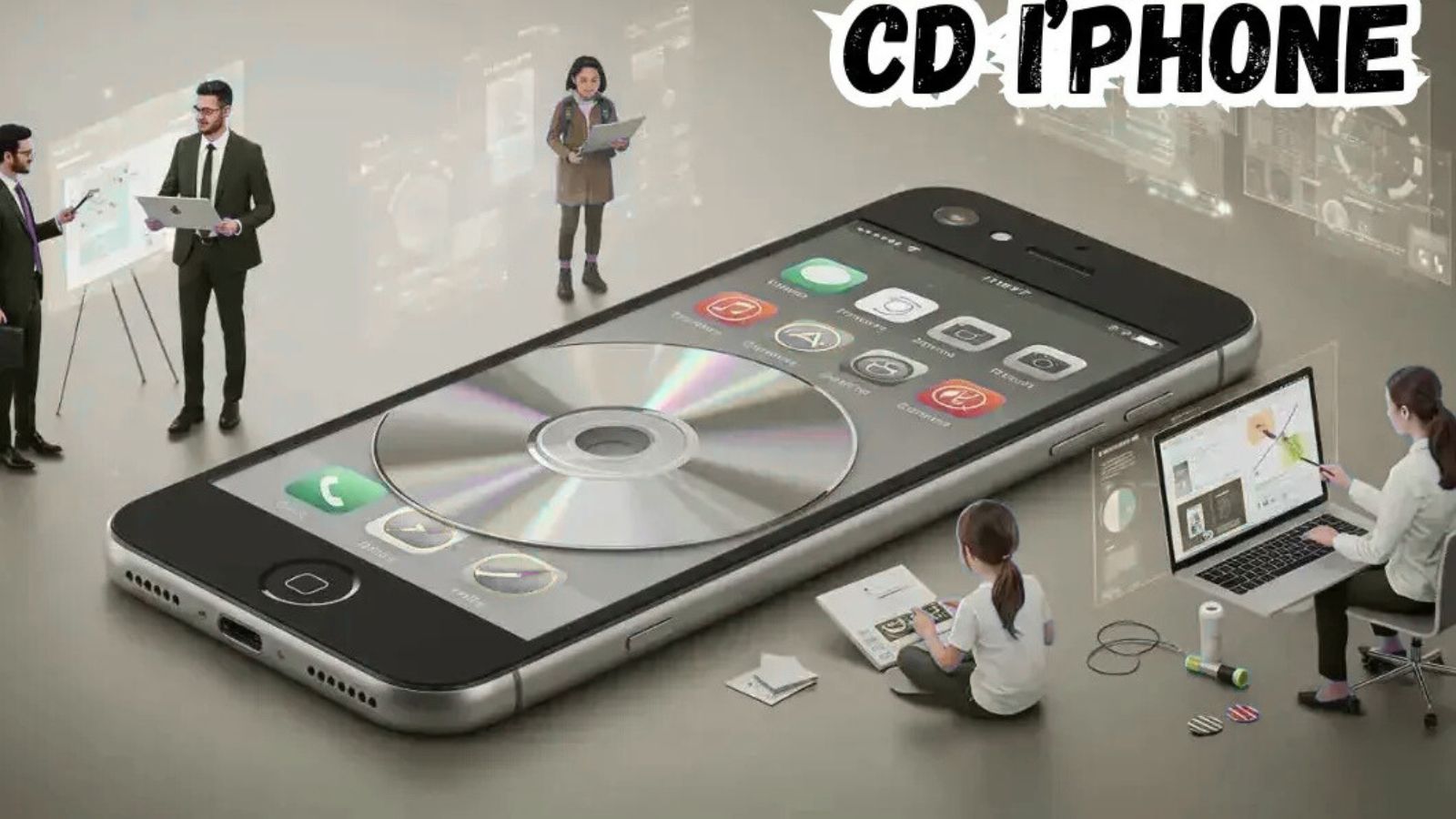
Technology trends move fast, but sometimes old ideas return in unexpected ways. One of the more interesting niche discussions happening in tech communities is the concept of the CDiPhone. While not an official Apple product, the term “CDiPhone” represents an emerging idea — a hybrid concept that explores how classic CD (Compact Disc) technology could be integrated with or reimagined for modern iPhones and future mobile devices.
In this article, we’ll break down what the CDiPhone concept means, why people are talking about it, potential use cases, benefits, challenges, and what the future could look like if this idea ever becomes real.
What Is CDiPhone?
The CDiPhone is not a currently released device. Instead, it’s a conceptual or speculative technology idea that combines elements of traditional compact disc media with Apple’s iPhone ecosystem.
In online discussions, the term may refer to:
- A theoretical iPhone capable of reading CD-based content
- A hybrid storage system inspired by physical media
- A nostalgic revival of CDs through modern smartphone technology
- A futuristic device merging old and new data formats
The concept reflects a broader trend where older technologies are reimagined for modern digital lifestyles.
Why Is the CDiPhone Concept Trending?
Several factors contribute to growing curiosity around this idea:
1. Nostalgia for Physical Media
Many users miss owning physical music or data collections. CDs once dominated the media industry, and some tech enthusiasts enjoy the idea of blending physical ownership with digital convenience.
2. Interest in Unique Device Design
Concept devices often generate excitement because they push creative boundaries. The idea of integrating discs into smartphones sparks imagination about unconventional hardware.
3. Offline Storage Needs
In regions with limited internet connectivity, physical media still offers value. A CD-inspired storage concept could allow offline access to large files without relying solely on cloud services.
4. Tech Community Experimentation
Developers and hobbyists love exploring unconventional device concepts. CDiPhone discussions often appear in forums, concept design blogs, and speculative tech videos.
Possible Interpretations of CDiPhone
Because it’s not a standardized term, CDiPhone can be understood in multiple ways:
Hybrid Media Device
A phone that connects to external CD readers or uses disc-like storage modules designed for modern devices.
Conceptual Storage System
Instead of traditional CDs, futuristic “mini-disc” style storage units could offer high-capacity offline storage in a physical format.
Software Integration Idea
Some people use “CDiPhone” to describe apps or systems that allow iPhones to manage, rip, or play CD content through external hardware.
Design Thought Experiment
Many designers create mockups imagining how Apple could reintroduce physical media features in a sleek, modern form.
Potential Features of a CDiPhone
If such a device were ever developed, tech enthusiasts imagine features like:
- Hybrid Storage Options: Combining internal flash memory with removable physical media
- Offline Media Libraries: Direct playback of music or videos stored on discs
- Creative Archiving Tools: Easy backup solutions using physical media formats
- Retro-Modern Design: Devices that celebrate classic technology while using modern performance hardware
These ideas remain theoretical but highlight how creative the tech community can be.
Benefits of a CDiPhone Concept
Enhanced Offline Accessibility
Users could carry large amounts of media without depending on internet connections or cloud subscriptions.
Physical Ownership of Content
Some people prefer tangible storage because it provides a sense of control over digital purchases.
Creative Innovation
Even if the CDiPhone never becomes real, exploring such ideas encourages innovation in hardware design and user experience.
Data Longevity
Certain physical media formats can preserve data for long periods when stored correctly, making them useful for archival purposes.
Challenges and Limitations
Despite the creativity behind the concept, there are several practical obstacles:
Hardware Constraints
Modern smartphones prioritize slim designs, and integrating a disc drive into a phone would be difficult.
Market Trends
Streaming services and cloud storage dominate media consumption today, reducing demand for physical formats.
Durability Concerns
Moving parts like disc readers may not align well with the durability expectations of modern smartphones.
User Convenience
Carrying physical discs could be less convenient than accessing files digitally.
Could Apple Actually Create a CDiPhone?
While Apple is known for innovation, the company has historically moved away from physical media rather than toward it. For example:
- Apple removed CD drives from laptops years ago.
- The company focuses heavily on cloud services and digital ecosystems.
However, Apple occasionally surprises users with new ideas, so it’s not impossible that future devices could include innovative external media accessories or new forms of hybrid storage inspired by physical formats.
The Future of Hybrid Media Concepts
Even if the CDiPhone never becomes a literal device, the underlying ideas may influence future technology trends:
- Modular Accessories: External storage tools designed specifically for smartphones
- Physical-Digital Hybrid Products: Collectible media that unlocks digital content
- Innovative Backup Solutions: Physical tokens used to store encrypted personal data
In this way, the CDiPhone concept serves as a creative thought experiment that pushes the boundaries of how we think about storage and media.
Who Is Interested in the CDiPhone Idea?
The concept mainly attracts:
- Tech enthusiasts who enjoy futuristic device designs
- Retro technology fans interested in classic media
- Developers experimenting with hybrid hardware concepts
- Content creators exploring speculative tech trends
For many, the appeal lies more in the creativity and discussion than in the expectation of a real product.
Conclusion
The CDiPhone represents a fascinating blend of nostalgia and futuristic thinking. While it is not an official device, the idea highlights how technology enthusiasts continue to imagine new ways to combine classic media formats with modern smartphone capabilities.
