


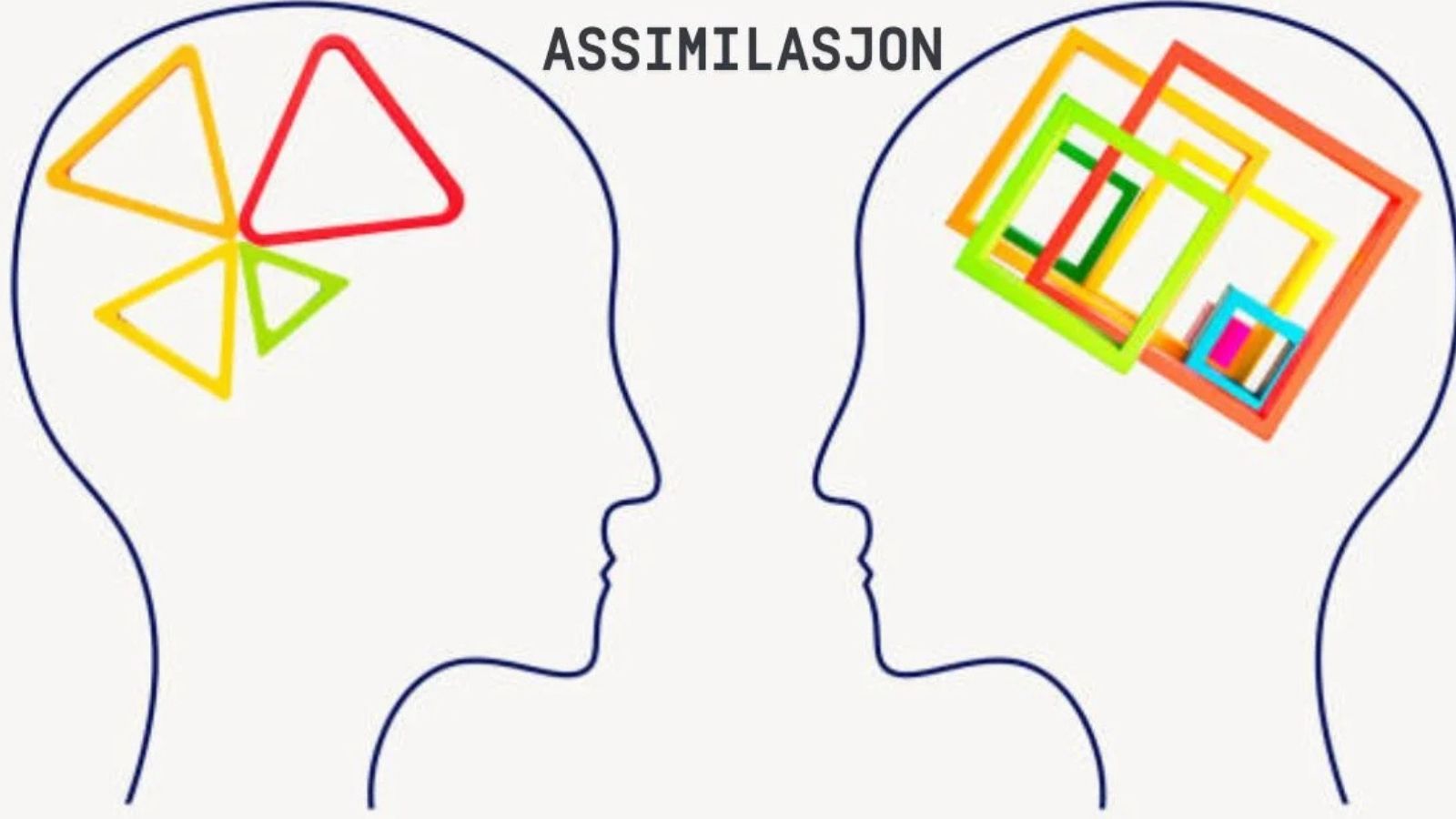
As the world becomes increasingly interconnected through migration, technology, and globalization, the concept of assimilasjon—or assimilation—has taken center stage in discussions about culture, identity, and community building. Whether people move across borders for work, safety, or opportunity, assimilation plays a key role in shaping how they adapt to new environments and how societies evolve over time.
In this article, we’ll explore the different types of assimilasjon, real-life examples from around the world, its advantages and disadvantages, Norway’s unique and often debated approach to assimilation, and personal stories that highlight the emotional and human side of this complex process.
What Is Assimilasjon?
Assimilasjon refers to the process in which individuals or groups adopt the cultural traits, behaviors, values, or norms of another group—usually the dominant one. It often involves learning a new language, changing social habits, and adapting to unfamiliar customs.
But assimilation isn’t a one-size-fits-all concept; it varies widely based on societies, policies, and individual experiences.
Types of Assimilasjon
Different societies interpret and implement assimilation differently. Understanding these forms helps explain why the process can feel smooth for some and challenging for others.
1. Cultural Assimilation
This involves adopting the language, traditions, and everyday habits of the majority culture. For example, immigrants learning the local language, celebrating national holidays, or adjusting to new social norms.
2. Structural Assimilation
This type focuses on integrating minority groups into the major institutions of society—schools, workplaces, neighborhoods, and political systems. When newcomers have equal access to education and employment, structural assimilation is in motion.
3. Social Assimilation
This occurs when individuals form meaningful personal relationships across cultural lines. Friendships, marriages, and community involvement help reduce cultural barriers and build shared identities.
4. Identification Assimilation
This is when newcomers begin to feel emotionally connected to their new nation or community. They may identify themselves as part of the local culture while still honoring their heritage.
5. Forced Assimilation
This is the most controversial type. It happens when governments or societies impose strict assimilation policies that pressure minorities to abandon their cultural identity. Historical examples include Indigenous groups being forced into residential schools or language suppression policies.
Real-World Examples of Assimilasjon
Assimilation happens everywhere, though in different ways.
The United States
Often called a “melting pot,” the U.S. promotes a blend of cultures but still expects newcomers to adopt English and follow American social norms. Many second-generation immigrants feel more assimilated than their parents.
Canada
Canada encourages multiculturalism rather than full assimilation, allowing each culture to maintain its identity. Still, newcomers often adopt English or French and integrate into Canadian institutions.
Japan
Japan shows minimal cultural flexibility and expects strict adherence to local customs. Immigrants often face pressure to behave “Japanese” in public settings.
Middle Eastern Countries
Some Gulf countries host large expat populations, yet assimilation is limited. Foreigners live and work in the region but rarely gain citizenship or full integration.
These global examples show that assimilation is influenced by national values, policies, and social expectations.
Benefits of Assimilasjon
Assimilation offers several advantages for both the individual and the host society.
1. Easier Communication
Learning the local language and customs reduces misunderstandings, improves relationships, and opens economic opportunities.
2. Social and Economic Mobility
Assimilated individuals often access better jobs, higher incomes, and educational opportunities.
3. Stronger Community Bonds
When cultures blend seamlessly, societies may experience fewer conflicts and greater unity.
4. Shared Values and Understanding
Assimilation can help create a sense of cohesion, especially in diverse societies where shared norms promote harmony.
Drawbacks of Assimilasjon
Despite its advantages, assimilation can also bring challenges.
1. Loss of Cultural Identity
One of the biggest concerns is losing language, traditions, and cultural roots across generations.
2. Pressure to Conform
Some individuals may feel forced to abandon important aspects of their identity in order to “fit in.”
3. Emotional Stress
Balancing two or more identities can cause confusion, especially among young immigrants.
4. Social Inequalities
If a society demands assimilation without supporting newcomers, it may create stigma, discrimination, or social exclusion.
Assimilation must be balanced with respect for diversity to avoid these issues.
Norway’s Approach to Assimilasjon
Norway presents a fascinating and unique model of assimilation. While the country values diversity, it also emphasizes shared social norms, community participation, and cultural cohesion.
1. Language as a Core Requirement
Learning Norwegian is considered essential. Immigrants often attend language courses and cultural orientation classes as part of integration programs.
2. Cultural Expectations
Norway encourages newcomers to adopt local values such as equality, transparency, and independence. These cultural traits are deeply rooted in Norwegian society.
3. Social Integration
The country focuses heavily on structural assimilation—ensuring immigrants access education, healthcare, and job opportunities.
4. Debate Around Assimilation
Some Norwegians believe integration should be stronger, while others argue that multiculturalism should be embraced more. This debate reflects ongoing conversations about identity and national values.
Personal Stories: The Human Side of Assimilasjon
Behind every assimilation policy are real people experiencing real emotions.
Amir from Pakistan
Amir moved to Oslo for higher education. Learning Norwegian was tough at first, but forming friendships helped him feel included. He now blends Pakistani customs with Norwegian lifestyle—calling it the “best of both worlds.”
Maria from Poland
Maria felt pressure to hide her accent at work, fearing judgment. Over time, she realized her bilingual background was a strength and now teaches others about cultural sensitivity.
Yara from Syria
For Yara, assimilation was emotional. She missed her homeland deeply but found comfort in building a new community through work and volunteering.
These stories highlight how assimilation is never just a political topic—it’s deeply personal.
Conclusion
Assimilasjon is a complex, evolving process shaped by culture, policy, and personal experience. While it can create unity, opportunity, and shared understanding, it also raises concerns about identity and belonging. As global movement continues, societies must find a balance between welcoming newcomers and preserving cultural richness.
