


Have you ever paused to wonder what gives bread its airy texture or beer its lively fizz? The answer often lies in a simple yet powerful substance called barm. Though the term may sound old-fashioned, barm has played a crucial role in kitchens and breweries for centuries, quietly working its magic to transform simple ingredients into beloved foods and beverages. Understanding the barm definition not only gives insight into traditional fermentation techniques but also opens up opportunities for home experimentation in baking and brewing.
At its core, barm is the foamy yeast layer that forms on top of fermenting liquids such as beer, ale, or wine. This yeast-rich foam is a natural byproduct of fermentation, produced when yeast consumes sugars and releases carbon dioxide and alcohol. Historically, barm has been used as a starter for bread, giving dough a natural lift and imparting a subtle, complex flavor profile. In brewing, it is both a sign of active fermentation and a valuable ingredient for yeast propagation.
The Science Behind Barm
To grasp the importance of barm, it helps to understand the basic science of fermentation. Yeast, a living microorganism, consumes sugars in grains or fruits and converts them into alcohol, carbon dioxide, and other compounds. The carbon dioxide is responsible for creating bubbles and froth, while the alcohol contributes to the beverage’s potency.
The frothy layer that forms on the surface during fermentation is what we call barm. This layer is rich in active yeast cells, along with some proteins and other nutrients from the liquid it forms on. Its composition can vary depending on the type of fermenting liquid, the yeast strain, and the brewing or fermenting conditions.
In traditional brewing, observing barm formation was an essential indicator of fermentation progress. A thick, healthy foam meant the yeast was active, producing alcohol efficiently, and that the brew was on track. Similarly, bakers recognized the foamy substance as a reliable natural leavening agent for bread dough.
Historical Significance of Barm
Barm has a long and fascinating history. Before the advent of commercial yeast, bakers and brewers relied on naturally occurring yeast from barm to leaven bread. The process was both practical and economical. Brewers could share a portion of the yeast layer from one batch of beer to another, while bakers could use the barm to ensure their loaves rose properly.
In England and parts of Europe, barm bread was a common household staple. The subtle flavor and light texture produced by barm made it preferable to bread leavened with wild yeast or sourdough alone. This connection between brewing and baking created a synergy in domestic kitchens, where the byproduct of one process—beer fermentation—directly benefited another—bread-making.
Using Barm in Baking
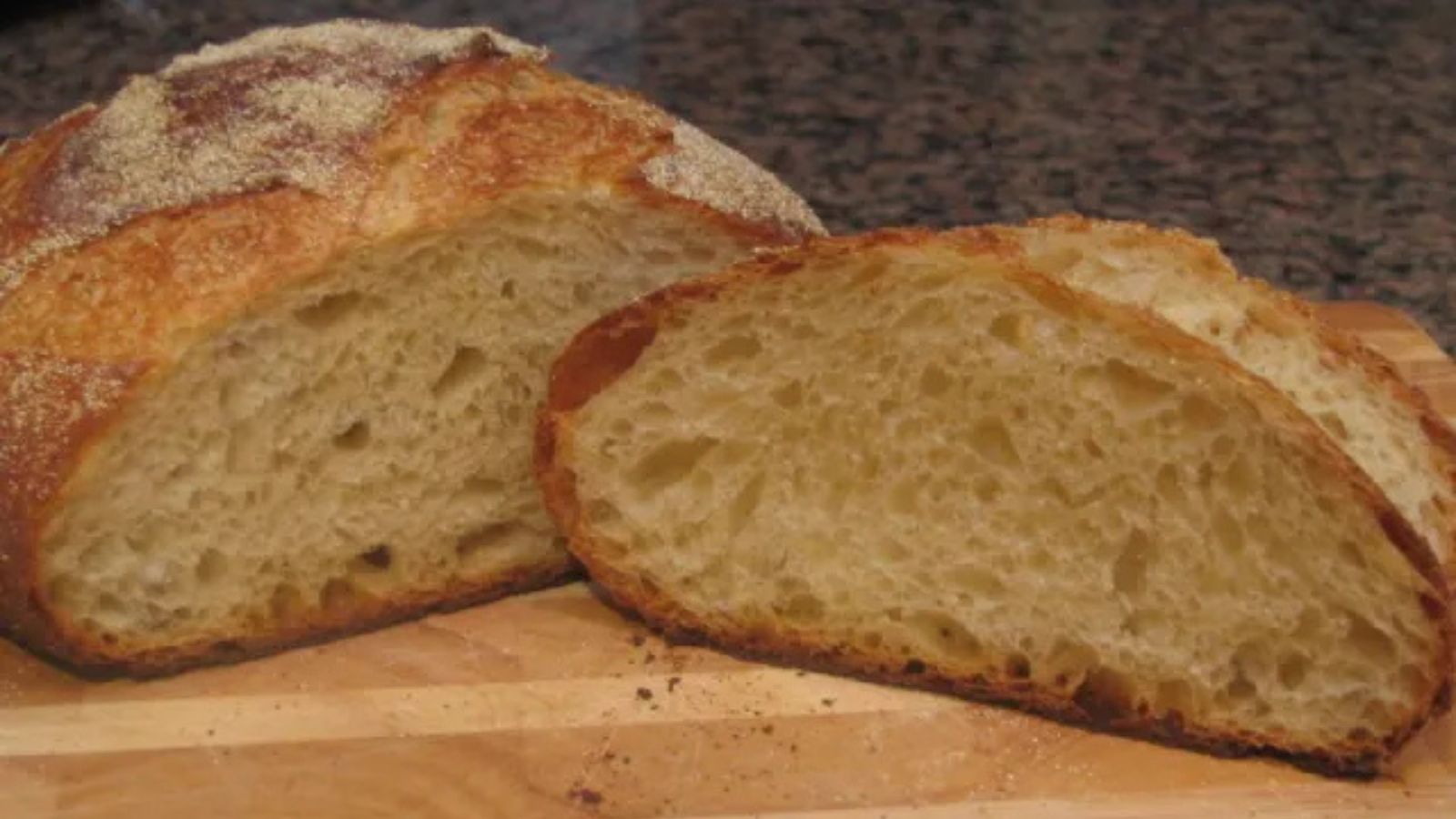
One of the most popular traditional uses of barm is in bread-making. Bakers prized barm for its ability to create a soft, airy crumb and a slightly tangy, rich flavor. To use barm in baking:
- Collect Fresh Barm: Take a portion of the foamy layer from a fermenting beer or ale. Ensure it is free from contaminants.
- Mix with Flour: Combine the barm with flour and water to create a starter. This mixture will ferment further, producing carbon dioxide to help the dough rise.
- Knead and Proof: Knead the dough as usual, then allow it to proof. The active yeast from the barm will continue to leaven the bread.
- Bake: Once the dough has risen to the desired level, bake as normal. You’ll notice a lighter texture and enhanced flavor compared to bread made with commercial yeast alone.
Using barm in baking may require some experimentation with hydration and proofing times, as the yeast content and activity can vary from batch to batch.
Using Barm in Brewing
In brewing, barm is equally valuable. It serves as a source of active yeast for future fermentation. Brewers can skim the foamy layer from an active fermenting beer or ale, then use it to inoculate a new batch. This process is particularly useful for traditional or small-scale brewing operations that prefer natural yeast propagation over commercial yeast strains.
Barm also contributes to flavor development in fermented beverages. Different yeast strains produce different esters and compounds, which can affect the aroma, mouthfeel, and taste of the final brew. Understanding how to work with barm allows brewers to achieve consistency and desired flavor profiles without relying entirely on modern additives.
Homemade Barm: Experimenting at Home
For home cooks and brewers, creating or using barm can be an enjoyable experiment. If you want to make your own barm:
- Start with a Sugary Liquid: Use malted grains, fruit juice, or sugar water as the fermenting medium.
- Introduce Yeast: You can either rely on naturally occurring wild yeast or add a small amount of commercial yeast to jump-start fermentation.
- Allow Fermentation: Keep the liquid at a controlled temperature, and watch as a foamy layer forms on top. This is your barm.
- Use or Store: You can immediately use the barm for baking or brewing, or store it in a cool, airtight container for future use.
Experimenting with barm encourages creativity in both cooking and brewing. It offers a hands-on understanding of fermentation science while producing tangible results in the kitchen.
Health Benefits of Barm
Barm is more than just a culinary tool—it also offers nutritional advantages. Being rich in yeast and proteins, it contains B vitamins, minerals, and other nutrients beneficial for gut health. When used in baking, it contributes not only to flavor and texture but also to the nutritional profile of bread. Similarly, in brewing, barm can support natural fermentation processes without the need for artificial additives.
Modern Relevance of Barm
While commercial yeast has largely replaced traditional barm in contemporary baking and brewing, interest in artisanal and natural methods has brought barm back into focus. Modern bakers and craft brewers are rediscovering its value, appreciating the nuanced flavors and textures that barm can produce. Workshops, online tutorials, and community brewing groups often highlight barm as a way to connect with centuries-old culinary traditions.
Conclusion
The barm definition points to more than just a foamy byproduct of fermentation—it is a cornerstone of traditional culinary and brewing practices. From its historical use in baking bread to its ongoing role in craft brewing, barm represents the natural power of yeast and the art of fermentation. Whether you are a home baker experimenting with natural leavening or an aspiring brewer learning the intricacies of fermentation, barm provides an authentic and versatile tool.
