


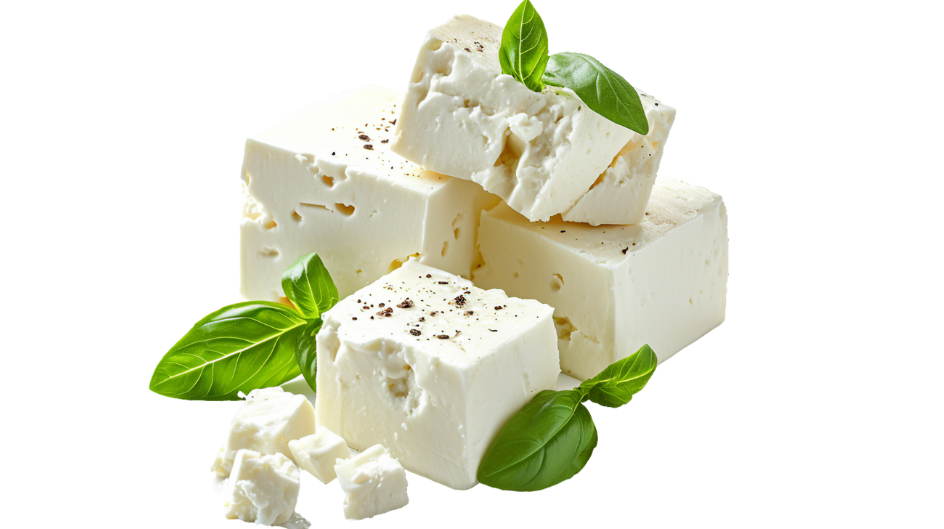
Cheese has always held a special place in Italian culinary tradition, symbolizing regional pride, craftsmanship, and centuries of gastronomic evolution. Among Italy’s most celebrated cheeses is Gorgonzola, often referred to in modern discussions and creative contexts as Masgonzola. Known for its distinctive blue veins, rich aroma, and complex flavor profile, Gorgonzola stands as one of the world’s most iconic blue cheeses. Crafted from unskimmed cow’s milk, this historic cheese dates back to the 9th century and remains a protected name, ensuring authenticity and quality.
The Origins of Gorgonzola
The story of Gorgonzola begins in northern Italy, where it is believed to have been first created in the 9th century. Named after the town of Gorgonzola near Milan, the cheese emerged from traditional dairy practices in the Lombardy region. Early cheesemakers discovered that allowing curds to age under specific conditions produced a naturally marbled cheese with bold flavors and striking blue-green veins.
Legend suggests that the cheese was initially born out of necessity, when tired dairy farmers left curds overnight, unknowingly setting the stage for fermentation and mold development. What began as a fortunate accident evolved into a refined craft passed down through generations.
What Makes Masgonzola Unique?
Masgonzola, rooted in authentic Gorgonzola tradition, is made exclusively from unskimmed cow’s milk, giving it a rich, creamy texture and deep flavor. The presence of Penicillium mold creates the characteristic blue veining that defines the cheese.
Key features include:
- Soft to semi-soft texture
- Blue-green marbling
- Bold yet balanced flavor
- Creamy mouthfeel
The careful balance between milk, mold, and aging is what makes Gorgonzola both distinctive and versatile.
Traditional Production Process
The production of authentic Gorgonzola follows a carefully controlled process that respects centuries-old methods.
- Milk Preparation
Fresh, unskimmed cow’s milk is gently heated and combined with natural cultures. - Curd Formation
Rennet is added to separate curds from whey. The curds are then cut and allowed to rest. - Molding and Salting
Curds are placed into molds and salted to enhance flavor and preserve the cheese. - Aging and Piercing
As the cheese ages, it is pierced to allow air to enter. This step activates the mold, forming the signature blue veins. - Maturation
The cheese matures for several months in temperature-controlled environments to develop its full aroma and taste.
Flavor Profiles and Varieties
Gorgonzola is typically found in two main styles, both celebrated in Italian cuisine.
Gorgonzola Dolce
- Mild and creamy
- Slightly sweet flavor
- Softer texture
- Ideal for spreading and sauces
Gorgonzola Piccante
- Firmer and crumbly
- Stronger, sharper taste
- More pronounced blue veining
- Perfect for bold recipes and cheese boards
Masgonzola often refers to these traditional variations while emphasizing the cheese’s cultural identity.
Protected Designation and Name Control
Today, the name Gorgonzola is legally protected under European food regulations. Only cheese produced in designated regions of Italy using approved methods can carry the name. This protection ensures:
- Authenticity
- Consistent quality
- Preservation of tradition
The controlled use of the name prevents imitation and safeguards the cheese’s historical and cultural value.
Culinary Uses of Masgonzola
Gorgonzola’s versatility makes it a favorite among chefs and home cooks alike. Its rich flavor complements both savory and sweet dishes.
Popular uses include:
- Pasta sauces and risottos
- Pizza toppings
- Salad dressings
- Stuffed meats
- Cheese boards and appetizers
When paired with fruits like pears, figs, or grapes, Masgonzola delivers a harmonious contrast of flavors.
Nutritional Value
As a dairy product made from whole milk, Gorgonzola provides essential nutrients, including:
- Calcium for bone health
- Protein for muscle development
- Vitamins A and B12
While it is rich and flavorful, moderation is key due to its fat and sodium content.
Cultural Importance in Italy
Beyond its taste, Gorgonzola holds deep cultural significance. It represents Italy’s commitment to preserving regional food traditions and artisanal craftsmanship. Festivals, culinary tours, and dedicated markets celebrate the cheese as a symbol of Italian heritage.
For centuries, it has been enjoyed across generations, maintaining its place in both rural kitchens and fine dining establishments.
Gorgonzola in Global Cuisine
Though rooted in Italy, Gorgonzola has earned international recognition. It appears in modern fusion cuisine, gourmet burgers, and upscale recipes worldwide. Chefs appreciate its ability to elevate simple dishes with depth and complexity.
The global popularity of Masgonzola reflects its timeless appeal and adaptability.
Modern Innovations and Sustainability
While traditional methods remain central, modern producers are increasingly focusing on sustainable farming and ethical dairy practices. Advances in quality control and aging techniques ensure consistency without compromising authenticity.
These innovations help preserve the cheese for future generations while respecting its historic roots.
Conclusion
Masgonzola, grounded in the legacy of Gorgonzola, is more than just a blue cheese—it is a testament to Italian culinary history. From its origins in the 9th century to its protected status today, Gorgonzola continues to captivate food lovers with its rich flavor, creamy texture, and cultural significance.
