


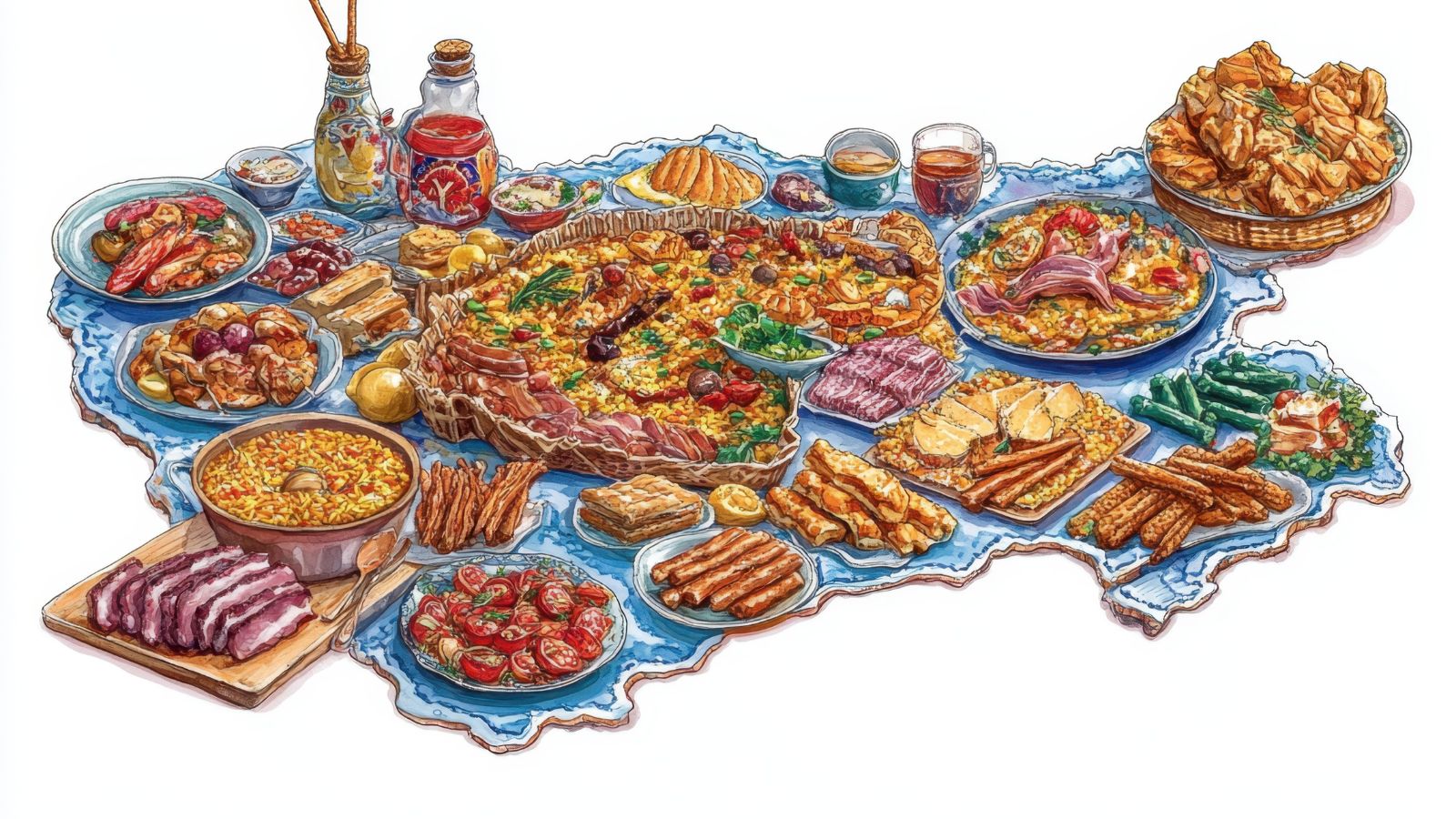
Food has a unique way of bringing people together, offering a taste of culture, history, and tradition with every bite. Among the rich culinary treasures of the Balkans, Levapioli has emerged as a standout dish, capturing the attention of food enthusiasts worldwide. Known for its unique flavor, hearty composition, and cultural significance, Levapioli has become a must-try dish for anyone exploring Balkan cuisine. This article delves into the origins, preparation, cultural context, and global appeal of Levapioli.
Understanding Levapioli
Levapioli is a traditional Balkan dish that combines simple, wholesome ingredients to create a rich and satisfying culinary experience. At its core, Levapioli typically consists of grilled meat, fresh herbs, and a blend of spices, often served with bread, vegetables, and sauces that enhance its flavor profile. While the dish may vary slightly from region to region, its essence remains the same: a hearty, flavorful meal that embodies the warmth and hospitality of Balkan culture.
The name “Levapioli” is thought to be derived from traditional Balkan terminology, reflecting the dish’s roots in the region’s culinary history. Often prepared at family gatherings, local festivals, and street food markets, Levapioli has transcended its local origins to become a celebrated dish internationally.
Origins and Cultural Significance
Levapioli hails from the Balkan Peninsula, a region renowned for its diverse culinary traditions influenced by Mediterranean, Ottoman, and Central European cuisines. The Balkans are home to countries like Serbia, Bosnia and Herzegovina, Croatia, Montenegro, and North Macedonia, each contributing its own variations to the dish.
Historically, Levapioli was a staple among rural communities due to its reliance on locally available ingredients such as fresh meat, onions, garlic, and spices. It was often prepared on open flames or grills, reflecting the communal and social nature of dining in the Balkans. Families would gather around the grill, sharing stories while cooking the meat, creating a dining experience that went beyond mere sustenance.
The dish symbolizes community, hospitality, and celebration in Balkan culture. Serving Levapioli is often seen as a gesture of generosity, making it a centerpiece at festivals, weddings, and social gatherings. Its popularity continues to grow as chefs and home cooks introduce modern twists while staying true to its traditional roots.
Ingredients and Preparation
The magic of Levapioli lies in its simplicity and quality ingredients. Traditional Levapioli typically includes:
- Minced or ground meat: Beef, lamb, or a mixture of both is commonly used.
- Fresh herbs: Parsley, garlic, and sometimes rosemary or oregano for flavor.
- Spices: Paprika, black pepper, and salt are essential for seasoning.
- Onions and garlic: These provide depth and aroma to the dish.
- Bread or flatbread: Often served alongside Levapioli to complement the grilled meat.
- Optional accompaniments: Fresh vegetables, pickles, yogurt-based sauces, or ajvar (a roasted red pepper spread popular in the Balkans).
Preparation typically involves mixing the ground meat with herbs, onions, and spices, shaping it into small sausages or patties, and grilling them over charcoal or open flame. The grilling process imparts a smoky flavor, enhancing the dish’s richness. Depending on regional preferences, Levapioli can be served on its own, with bread, or as part of a larger meal featuring salads, sauces, and side dishes.
Regional Variations
While Levapioli maintains a consistent identity across the Balkans, regional variations add unique flavors and presentations:
- Bosnia and Herzegovina: Often served with somun, a type of fluffy flatbread, and accompanied by raw onions, sour cream, or ajvar.
- Serbia: Known for slightly spicier seasoning and often served as part of mixed grill platters with sausages and other meats.
- Croatia: Emphasizes herbs and sometimes includes smoked meat variations, paired with fresh vegetables and olive oil.
- Montenegro and North Macedonia: May include regional spices and are often enjoyed at outdoor barbecues and festivals.
These variations highlight the adaptability of Levapioli while preserving its traditional essence. Each region contributes its local flavors, making the dish a versatile and culturally rich experience.
Health and Nutritional Value
Levapioli is a protein-rich dish that provides essential nutrients from meat and herbs. While it is hearty and flavorful, it can also be part of a balanced diet when paired with vegetables, salads, or whole-grain bread. The use of fresh herbs and spices enhances taste without relying heavily on processed ingredients, aligning with the Balkan tradition of wholesome, locally sourced food.
Grilling the meat, rather than frying, reduces unnecessary fats and preserves the natural flavors. For health-conscious diners, Levapioli offers a satisfying and nutritious option that combines taste, tradition, and nourishment.
Global Appeal and Modern Adaptations
In recent years, Levapioli has gained international recognition, appearing on menus in European, North American, and Australian restaurants. Chefs are experimenting with fusion versions, incorporating ingredients like cheese, exotic spices, or plant-based proteins while respecting the dish’s Balkan heritage.
Food bloggers and culinary enthusiasts have also popularized Levapioli through social media platforms, highlighting its simplicity, flavor, and versatility. Whether enjoyed at home, in a traditional Balkan restaurant, or at a gourmet food festival, Levapioli continues to captivate new audiences around the world.
Serving Suggestions
Levapioli can be served in multiple ways to suit different dining experiences:
- Street Food Style: In a soft flatbread or bun, with raw onions, ajvar, and yogurt sauce.
- Plated Meal: With roasted vegetables, fresh salads, and a side of grilled potatoes.
- Festive Spread: As part of a mixed grill platter, alongside sausages, chicken, and regional condiments for celebrations and gatherings.
Pairing Levapioli with a light red wine or a traditional Balkan beer enhances the dining experience, bringing out the smoky, savory flavors of the grilled meat.
FAQs About Levapioli
Q1: What is Levapioli?
A1: Levapioli is a traditional Balkan dish made of seasoned, grilled meat, often served with bread, vegetables, and sauces.
Q2: Where does Levapioli originate?
A2: Levapioli originates from the Balkans, with popular variations in countries like Bosnia and Herzegovina, Serbia, Croatia, Montenegro, and North Macedonia.
Q3: What meat is used in Levapioli?
A3: Beef, lamb, or a mixture of both is typically used, seasoned with herbs, onions, and spices.
Q4: How is Levapioli traditionally cooked?
A4: It is usually shaped into small sausages or patties and grilled over charcoal or open flames for a smoky flavor.
Q5: Can Levapioli be enjoyed as part of a healthy diet?
A5: Yes, when paired with vegetables, salads, and whole-grain bread, Levapioli provides a protein-rich, nutritious meal.
Q6: Are there vegetarian alternatives to Levapioli?
A6: Modern adaptations include plant-based proteins or vegetables shaped like Levapioli, seasoned and grilled to replicate the original taste and texture.
Q7: How is Levapioli served in restaurants?
A7: It can be served as street food in flatbreads, as part of a plated meal with sides, or in festive mixed grill platters.
Conclusion
Levapioli is more than just a dish; it is a reflection of Balkan culture, tradition, and culinary ingenuity. With its smoky, savory flavors and versatile serving options, it has captured the hearts and taste buds of food enthusiasts around the globe. Whether enjoyed in its traditional form or modern adaptations, Levapioli continues to celebrate the rich heritage of the Balkans while appealing to contemporary palates. For anyone exploring international cuisine, Levapioli offers a delicious, hearty, and culturally immersive experience that is truly unforgettable.
