


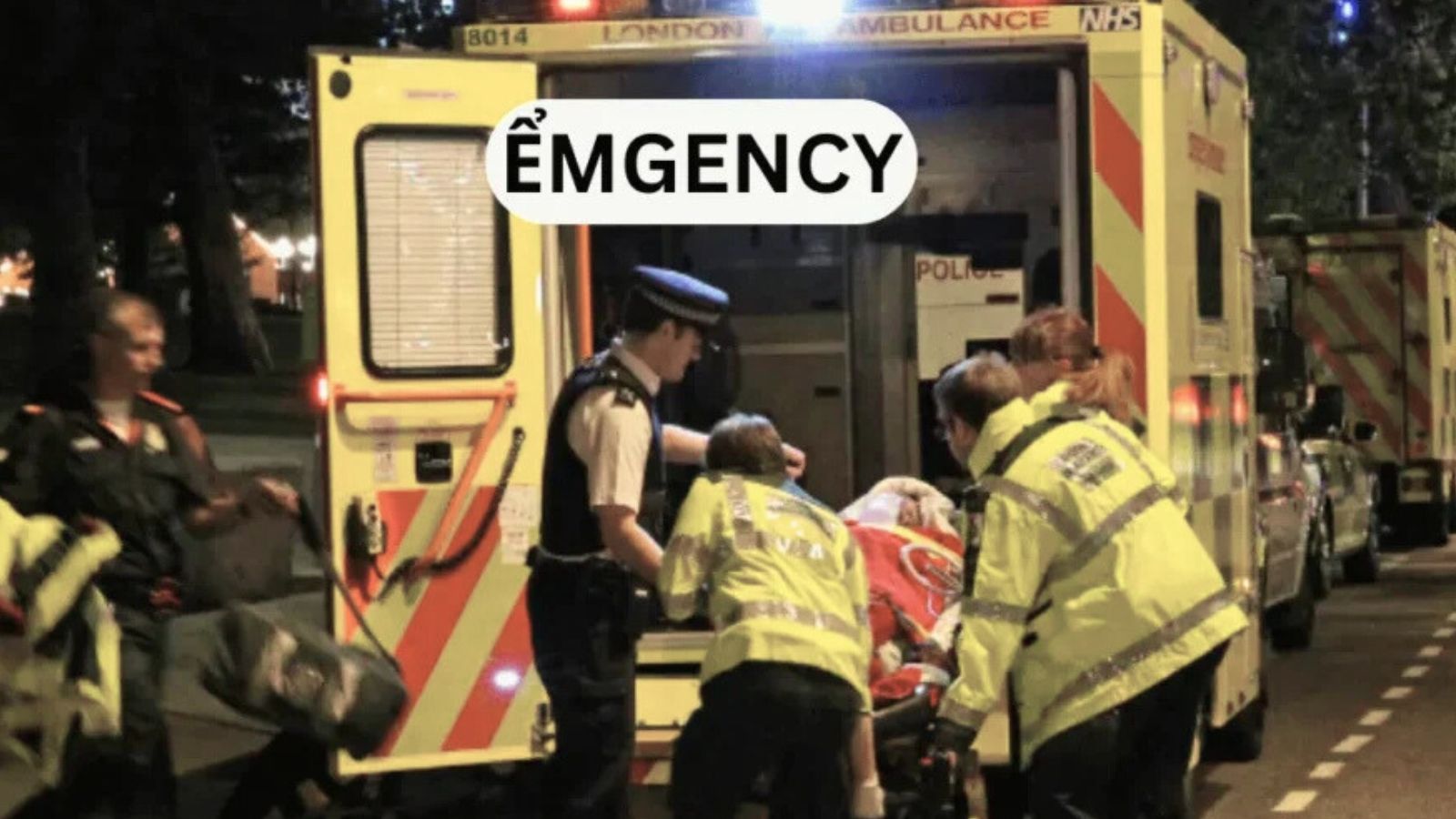
In today’s fast-paced digital world, communication has evolved in ways that reflect both speed and emotion. One example of this evolution is the term “ểmgency”, a stylized, informal spelling of the word “emergency.” While the standard term “emergency” has long been associated with critical situations requiring immediate attention, “ểmgency” has emerged in casual and digital contexts to convey not just urgency, but emotional intensity and immediacy in communication.
Whether in social media posts, texting, or informal conversations, the use of ểmgency highlights the blend of language creativity and human emotion in contemporary communication. This article explores the meaning of ểmgency, its usage, its implications in digital culture, and how understanding this term can improve both communication and awareness of critical situations.
What ểmgency Means
At its core, ểmgency carries the same foundational meaning as “emergency”: a sudden, unexpected event that requires immediate action to prevent serious consequences. However, the stylized spelling adds nuance. By altering the letters and introducing a distinctive form, users convey a sense of heightened urgency or emotional intensity that standard spelling may not fully capture.
For instance, while someone might say, “This is an emergency,” writing “This is an ểmgency!” in a text or tweet signals both urgency and emotional involvement. The extra emphasis communicates that the situation demands immediate attention and may carry emotional weight such as panic, concern, or alarm.
In essence, ểmgency is a linguistic tool that combines urgency with emotional resonance, particularly in informal or digital contexts.
Origins and Digital Usage
The stylization of words is common in online communication. Users frequently modify spelling, punctuation, or capitalization to express emotion, tone, or urgency. Terms like “sooo,” “OMG,” or “hecc” follow a similar pattern, where the form of the word amplifies meaning beyond the literal definition.
The use of ểmgency has emerged largely in texting, instant messaging, social media, and meme culture. In these environments, brevity and expressiveness are crucial. By slightly altering the familiar word “emergency,” users signal the critical nature of an event while simultaneously conveying personal emotion, urgency, or relatability.
Additionally, ểmgency is often used humorously or ironically, especially online. For example, a person might tweet, “I ran out of coffee this morning. Ểmgency!” While this is not a life-threatening situation, the playful use of the term dramatizes the personal crisis, showing how language can blend literal meaning with hyperbolic expression.
Key Characteristics of ểmgency
Several features define the use and appeal of ểmgency in modern communication:
1. Urgency
Like its standard counterpart, ểmgency inherently signals that something requires immediate attention. Whether the situation is life-threatening, time-sensitive, or emotionally charged, the term conveys that delay could have negative consequences.
2. Emotional Intensity
The stylized form amplifies the emotional dimension of the message. Users often employ ểmgency to express anxiety, excitement, or alarm. This emotional overlay makes the communication more compelling and relatable.
3. Informality
Unlike formal terms used in professional or official contexts, ểmgency is casual and conversational. It thrives in personal communication, social media, or informal digital spaces rather than in official documentation or formal alerts.
4. Flexibility
Because ểmgency exists primarily in digital and informal communication, it is highly adaptable. It can describe actual emergencies, everyday crises, or even humorous exaggerations. This flexibility allows it to resonate with a wide audience.
Real-Life Applications and Examples
Understanding ểmgency requires examining how it is used in various contexts. Some examples include:
- Personal Messaging: A friend might text, “My dog ate my homework 😱 ểmgency!” Here, the term dramatizes the situation humorously while conveying urgency to a peer.
- Social Media: Influencers or users may post updates like, “The Wi-Fi is down in my house. Ểmgency!” to engage followers in relatable digital frustration.
- Workplace Humor: While ểmgency is informal, it can appear in casual professional communication: “The coffee machine broke again… ểmgency in the office kitchen!” This usage builds rapport while lightly emphasizing a problem.
- Actual Critical Situations: In some cases, ểmgency might describe genuine sudden events, such as medical issues or accidents, in informal notifications. Although this is less common, it reflects the human tendency to emphasize urgency in urgent situations, even digitally.
These examples demonstrate the versatility of ểmgency as both a functional and expressive tool in communication.
The Psychology Behind ểmgency
The effectiveness of ểmgency is partly psychological. Humans are wired to respond to signals of urgency and emotion. The stylized spelling, combined with context, triggers attention and engagement.
- Attention Capture: Altered spellings like ểmgency stand out in digital text streams, capturing immediate focus.
- Emotional Connection: The form conveys emotion, making readers more likely to empathize or react.
- Cognitive Processing: While the spelling is informal, the brain recognizes the root word “emergency,” linking it to the concept of immediate action. This combination of novelty and familiarity enhances cognitive impact.
These psychological effects make ểmgency a powerful communication tool, especially in fast-moving online environments.
Cultural Significance
The rise of stylized terms like ểmgency reflects broader trends in digital culture: the blending of language, creativity, and emotional expression. Digital communication often favors speed, humor, and relatability, and ểmgency embodies all three.
Furthermore, the term highlights how language evolves to meet new needs. While “emergency” is formal and authoritative, ểmgency allows for nuanced expression—ranging from hyperbolic humor to genuine alarm—depending on the context. It is part of a larger trend where online communities create and popularize variations of traditional language for expressive purposes.
Cautions and Considerations
While ểmgency can be useful for expressing urgency or emotional intensity, there are considerations to keep in mind:
- Clarity: In serious or life-threatening situations, using informal spellings may reduce clarity. Official alerts, emergency notifications, and public announcements should always use formal language to avoid confusion.
- Context Awareness: Understanding your audience is crucial. Friends may understand playful usage, but professional settings or official communications require precision.
- Digital Permanence: Like all online communication, posts using ểmgency can persist and be interpreted in unintended ways. Awareness of audience and context is essential to avoid miscommunication.
Balancing creativity with clarity ensures that the use of ểmgency remains effective and appropriate.
Conclusion
ểmgency is a unique example of how language evolves to meet the needs of modern communication. As a stylized spelling of “emergency,” it captures urgency, emotional intensity, and adaptability, making it a versatile tool in informal and digital contexts. From humorous exaggerations to expressions of genuine concern, ểmgency reflects human creativity and the desire to convey emotion alongside meaning.
